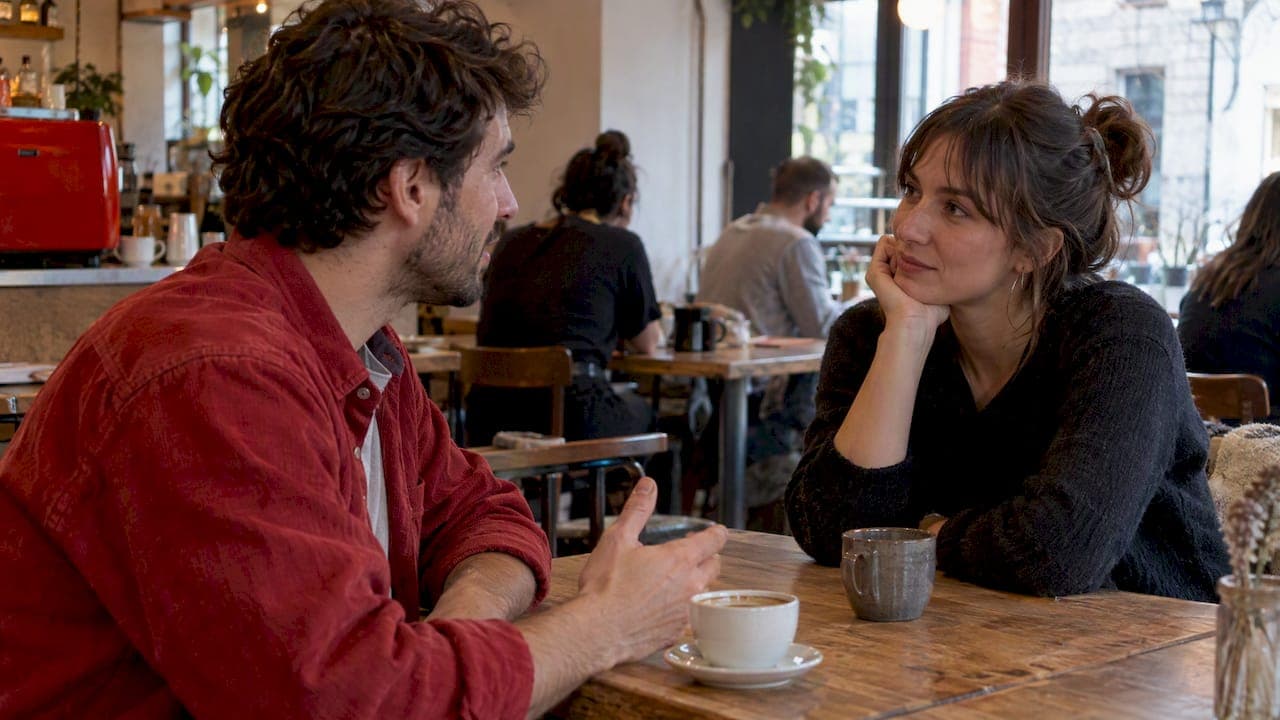
Dating without a traditional profile is genuinely possible through text-first apps, anonymous conversation spaces, and stripped-down mainstream profiles. It reliably lowers appearance pressure. The trade-off is real too: anonymity tends to widen how many people you browse while shrinking how many actually match with you, so you will need deliberate steps to replace the signals a photo used to send.
TL;DR:
- Anonymity in profile-free dating increases browsing diversity but significantly lowers the number of matches, especially affecting women.
- Building trust relies on deliberate, phased communication like asking questions, referencing specifics, and moving to voice or video before in-person meetings.
- AI-generated text is common and often undisclosed, raising concerns about authenticity and informed consent in text-based impressions.
- Using a 2 to 6-week pilot with clear checkpoints helps evaluate a method’s effectiveness and safety before deeper involvement.
- Choosing the right approach depends on priorities like reducing surface judgments, maximizing privacy, or speeding up the photo exchange process.
Table of Contents
- What profile-free dating looks like and how people present themselves without photos
- What research says about anonymity, matches, and AI risks
- Three methods and a phased-reveal playbook you can try
- Risks, safety, and consent in profile-free dating
- Is profile-free dating a fit for your goals?
- Why authenticity and practicality pull in different directions
- Try Echoes: a space to practice profile-free connection
- FAQ
- Sources
What profile-free dating looks like and how people present themselves without photos
Profile-free dating is not one format. It splits into a few distinct approaches, each with a different rhythm.
Text-first apps ask you to write a short title or one-liner instead of uploading photos, letting personality and specificity carry the first impression. Delayed-photo platforms let you build a full profile but hide images until both people unlock them, usually after a set number of messages. Anonymous nearby feeds, the loosest format, let you post a thought or question to people in a general area and see who responds, with no profile at all attached to your name.
Because there is no photo to scan first, self-presentation shifts almost entirely to word choice. Research on pictureless dating apps describes three recurring text strategies people use to stand in for a photo:
- Self-promoting lines that state a specific trait or achievement rather than a vague compliment to yourself.
- Effortless-sounding openers that read as natural rather than rehearsed, since pictureless formats punish anything that feels like a sales pitch.
- Interest-based hooks, often built around a hashtag or niche reference, that filter for people who share a specific taste rather than a broad audience.
The same research found that conversation-first design changes what counts as a signal of interest. Without a photo to "like," early interactions depend on specificity: a question about the other person's one-liner, a reply that references something they actually wrote. That rewards people who read closely and respond directly, and it penalizes generic openers that would have worked fine on a photo-based swipe.
What research says about anonymity, matches, and AI risks
The clearest evidence on how anonymity changes dating behavior comes from a randomized field experiment described in one-way mirrors in online dating. Researchers let some users browse profiles anonymously and compared their outcomes to users browsing normally.
Anonymous browsing increased browsing diversity and activity, but it reduced matches, with a notable drop in matches for women in the experimental group. The mechanism is what researchers call weak signaling: when people can see who viewed their profile, that view itself functions as a low-effort expression of interest. Remove the visibility, and you remove that signal, so fewer people feel confident enough to reach out first. The effect landed harder on women, likely because existing dating norms already put more pressure on men to initiate, and anonymity removed one of the few passive cues women relied on instead.
Anonymity empowers broader exploration while removing the passive indicators of interest that normally invite the first message.
The pictureless-app research adds a practical layer to this finding. Interviews with users describe a common three-phase trajectory: match anonymously, switch to a different messaging channel once there is enough rapport, then exchange photos before meeting in person. That phased structure appears to be how users compensate for the weak-signaling gap: instead of relying on passive cues, they build trust through a sequence of small, deliberate steps.
A newer concern complicates the picture. A 2026 study on generative AI and online dating found that AI-generated text is often used to construct more attractive dating personas and is rarely disclosed to the other person. In profile-free formats, where text carries nearly all the weight of a first impression, undisclosed AI use is a bigger risk than it would be in a photo-based app, since there is no visual check against the words. The study's authors flag this as a genuine consent problem: people are often forming impressions, and sometimes making meeting decisions, based on text they assume is spontaneous.
Evidence on anonymity's effects is still developing, and the field experiment and pictureless-app studies describe different platforms and populations, so the exact size of these effects will vary by app and context.

Three methods and a phased-reveal playbook you can try
There are three practical routes into profile-free dating, and each suits a different comfort level with structure.
Method A: join a text-first pictureless app. Write a one-line title that states something specific about you rather than a generic trait. Set yourself a rule, such as waiting until you have exchanged at least 15 to 20 messages or had one real back-and-forth conversation before agreeing to swap photos. Good openers reference something the other person actually wrote rather than a stock greeting.
Method B: use anonymous nearby conversation spaces. Post a genuine question or thought rather than an obvious pickup line, since these spaces reward authentic sharing over performance. Read a few replies before responding to gauge tone, then move promising conversations to a private message only once you feel the exchange has substance.
Method C: run a low-profile strategy on a mainstream app. Remove identifying details from your bio, use a single neutral photo or none at all if the app allows it, and tell early matches directly that you prefer to talk for a while before trading more photos. Framing this as a preference rather than an apology keeps the conversation moving.
Across all three, a phased-reveal timeline helps you evaluate progress without over-committing early. A reasonable pilot runs 2 to 6 weeks:
- Pick one method and commit to it for the full pilot window rather than switching after a single bad conversation.
- Set a checkpoint at around 3 conversations, 3 days of consistent contact, or 3 weeks, whichever comes first, borrowing the spirit of the 3-3-3 rule as a flexible milestone rather than a strict deadline.
- At that checkpoint, ask yourself whether the conversation has specific content (shared plans, real opinions, follow-up questions) or has stalled into small talk.
- If it has substance, move to a short video call or voice note before any in-person meeting.
- Schedule the first meetup in public, during daylight if possible, and tell a friend where you will be.
Pro Tip: Treat the first photo exchange as a milestone you both agree to, not a test one person passes or fails.
Risks, safety, and consent in profile-free dating
The same anonymity that lowers appearance pressure also removes some of the safety cues a full profile provides, so a few deliberate habits matter more here than on a standard app.
Generative AI is the newest wrinkle. The HCI study on AI and dating found that AI-written bios and messages are common and rarely disclosed, which means a charming text exchange is not proof of who you will meet in person. If something about a conversation's tone shifts abruptly or feels inconsistent with earlier messages, that is worth noticing rather than dismissing.
A short safety checklist before any in-person meeting:
- Ask for a short voice note or video call before agreeing to meet, since voice and live video are harder to fabricate convincingly than text.
- Watch for a refusal to ever get on a call, inconsistent details about basic facts, or pressure to meet immediately.
- Meet the first time in a public place you choose, and confirm the plan with a friend beforehand.
- Keep the first few exchanges on the app or platform's own messaging system rather than moving to personal contact details right away.
Because anonymity removes weak signaling, as the field experiment on anonymous browsing found, a 14.1% drop in matches for women specifically suggests that silence from a match is less likely to mean disinterest and more likely to reflect the general friction anonymity introduces. A direct, low-pressure message often works better than waiting for a cue that may never come.
Data protection and anonymity guarantees vary by platform and by country, so check a given app's own privacy terms rather than assuming any blanket legal protection applies.
Is profile-free dating a fit for your goals?
A quick way to check fit is to run through your priorities before picking a method.
- Goal: if you want fewer surface-level judgments, text-first or anonymous formats suit you better than a stripped-down mainstream profile.
- Privacy needs: if you want to stay unidentifiable until you choose otherwise, anonymous nearby feeds offer the most control.
- Time commitment: if you want faster photo exchange, a delayed-photo mainstream app moves quicker than a pure pictureless app.
- Verification preference: if safety concerns are high for you, prioritize methods that make voice or video checks easy before meeting.
- Social comfort: if writing well-crafted messages feels natural, pictureless formats will likely play to your strength.
Someone tired of appearance-based swiping might try Method A for a 4-week pilot, expecting slower matches but deeper early conversations. Someone wary of strangers finding their identity might prefer Method B, accepting that conversations stay looser and less dating-specific. Someone who wants to keep using a familiar app might choose Method C, trading some anonymity for a shorter learning curve.
Track three things during your pilot: how many conversations reach real depth rather than small talk, how comfortable you feel at each phased-reveal checkpoint, and whether any meetups you arrange follow the safety steps above.
Why authenticity and practicality pull in different directions
Profile-free dating solves a real problem: photo-based swiping trains people to make snap judgments on appearance before they know anything else about a person, and that pressure is exhausting to perform under indefinitely. Removing the photo forces a different kind of effort, the kind that shows up in how someone writes rather than how they pose.
What the research does not support is treating profile-free formats as a shortcut to effortless honesty. Anonymity cuts both ways: it is just as capable of hiding an AI-written persona as it is of lowering someone's guard enough to be genuine. The phased-reveal habit that keeps surfacing across pictureless-app research is not a workaround, it is the actual mechanism that makes profile-free dating work, because trust has to be built in steps when it can no longer be assumed from a photo.
The honest takeaway is that profile-free dating trades one kind of pressure for another kind of patience. Whether that trade is worth it depends less on the method and more on whether you are willing to slow down enough to let the phases do their job.
— John
Try Echoes: a space to practice profile-free connection
Echoes offers a space to experience profile-free conversation without the pressures associated with a typical dating app. There are no public profiles, follower counts, or handles to maintain, which helps reduce the pressure to perform before the conversation begins.

If you want to try the phased-reveal habit described above in a lower-pressure setting first, a simple sequence works well:
- Create an anonymous account and skip any optional identifying details.
- Post a genuine thought or question tied to a topic you actually care about, rather than something written to impress.
- Read the replies that come in and respond to the ones with real substance.
- Move to private messaging only once a conversation feels worth continuing, and only when you are comfortable doing so.
Our anonymous social app supports both broad, topic-based conversations and local, nearby feeds, and our community guidelines lay out the standards that keep those conversations respectful. Give it a look and see what a conversation without a profile attached actually feels like.
FAQ
What is the 3-3-3 rule for dating?
The 3-3-3 rule is a flexible checkpoint system, suggesting you evaluate a new connection after 3 dates, 3 weeks, or 3 months. It works as a reflective milestone rather than a strict rule, helping you notice whether a connection has real depth before you invest further
What does dating fatigue mean?
Dating fatigue describes the exhaustion that builds up from repeated swiping, small talk, and appearance-based judgment on conventional apps. Profile-free formats are often chosen specifically to reduce one driver of that fatigue, the pressure to curate a photo-perfect presentation.
What is the 3 6 9 rule for dating?
There is no widely documented "3 6 9" dating rule in current research, and it is sometimes confused with the 3-3-3 checkpoint system. If you have seen this term elsewhere, it likely refers to spaced evaluation checkpoints similar in spirit to the 3-3-3 rule, which is a flexible heuristic rather than a strict standard.
What dating app can I use without a profile picture?
Pictureless and text-first apps let you build a presence through a short title or one-liner instead of a photo, and some mainstream apps let you delay photo exchange until later in a conversation. For a lower-pressure, non-dating alternative to test the same anonymous approach, our anonymous social app skips profile pictures and public profiles entirely.
Sources
- One-Way Mirrors in Online Dating: A Randomized Field Experiment (Carlson School / research paper)
- Using pictureless dating apps: affordance and self-presentation (Journal of Social and Personal Relationships)
- Generative AI and online dating: implications for consent and self-presentation (ACM paper)
- Should daters follow the 3-3-3 rule? (Psychology Today)